On and around 15 August 2026, a coordinated wave of cyber incidents was reported against multiple organizations in Bangladesh. The supplied incident material documents activity affecting government and public-sector systems, law-enforcement-related data, judicial-sector infrastructure, healthcare, public-service infrastructure, education, surveillance systems and media.
Reported impact included website defacement, exposure of institutional and personal data, unauthorized administrative access, CCTV access and server-level access. BCSI assesses the activity as Medium Sophistication based on the evidence currently available. The material demonstrates coordination and repeated access across different target types, but does not establish the use of zero-day vulnerabilities, advanced custom malware or novel exploitation techniques.
Incident Overview
The activity was concentrated around a nationally significant date and involved multiple targets across Bangladesh. For responsible public disclosure, this report does not identify affected organizations by name and does not reproduce attacker campaign branding, exposed credentials, direct leak locations or personal information.
The evidence supplied to BCSI indicates a mixed pattern of public-facing disruption and unauthorized access. Because the source material does not contain complete forensic evidence for every affected system, individual initial-access methods cannot be conclusively determined from the supplied material alone.
Affected Organization Types
- Government regulatory and public-service organizations
- Law-enforcement-related personnel/data systems
- Judicial-sector infrastructure
- Healthcare and medical-sector systems
- Meteorological/public-service infrastructure
- Disaster-management-related web infrastructure
- Educational institutions
- Media organizations
- CCTV and surveillance infrastructure
Evidence Overview
The following figures are derived from the supplied incident report. URLs, credentials, victim identifiers, personal information and attacker promotional branding have been blurred or redacted for public release.
Surveillance and Administrative Access
The supplied material includes evidence consistent with unauthorized viewing of multiple CCTV feeds and access to a web-based administrative environment. The public version intentionally removes identifying information and credential material.
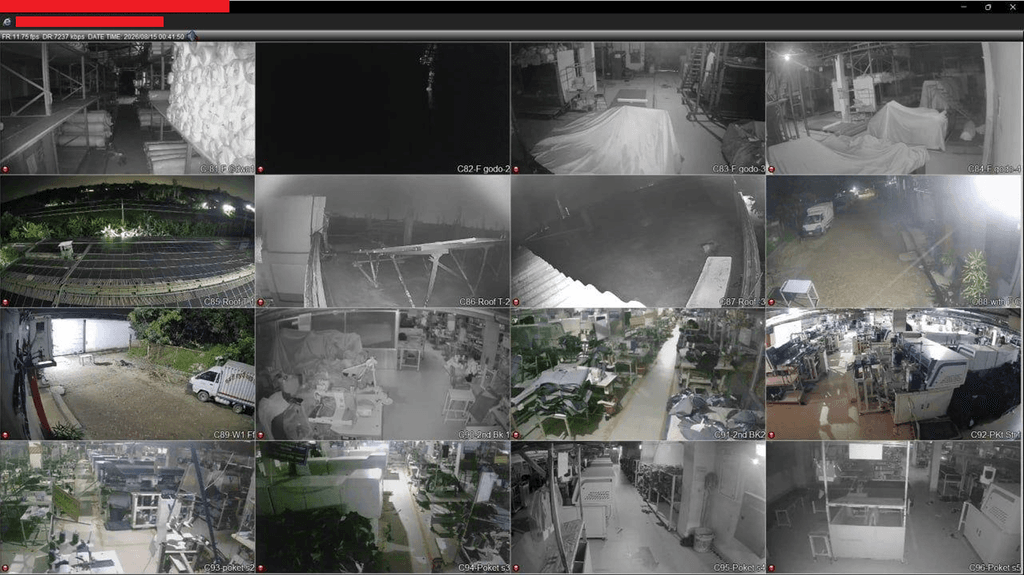
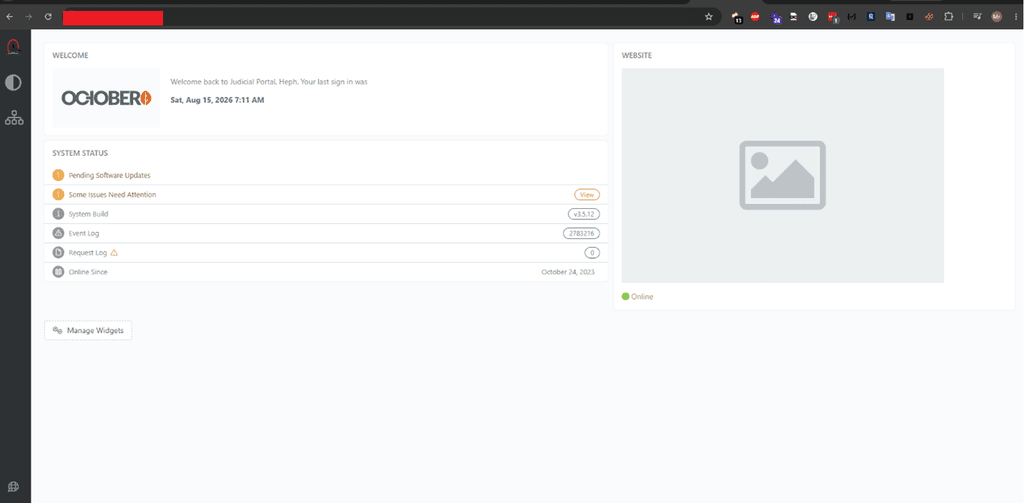
Figure 1 — Redacted evidence of reported CCTV and administrative-system access.
Public-Service / Server-Level Access
Additional evidence shows access to a Linux command-line environment associated with a public-service system. If validated through host logs and forensic artifacts, server-level access represents a materially greater risk than a simple web defacement because it may expose files, configurations and connected services.
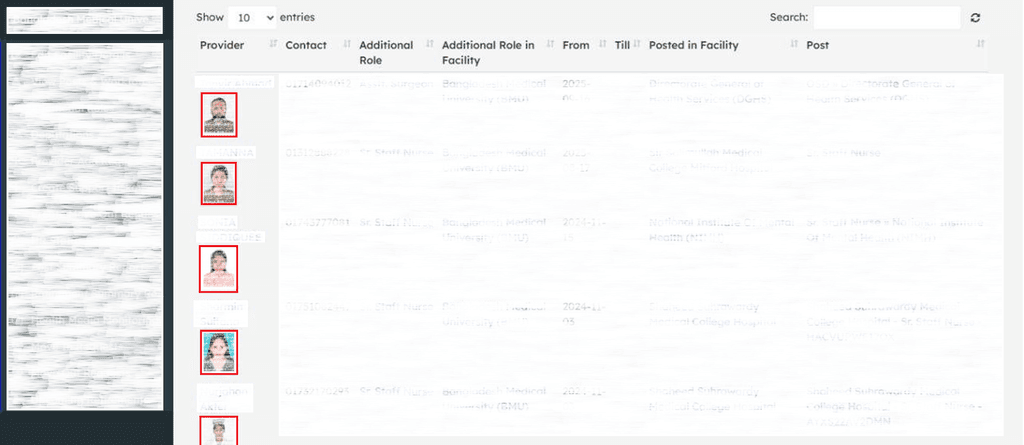
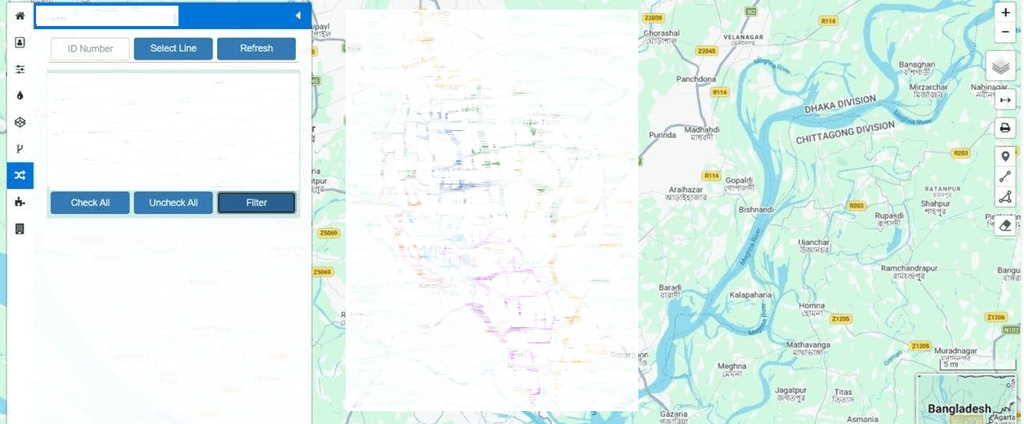
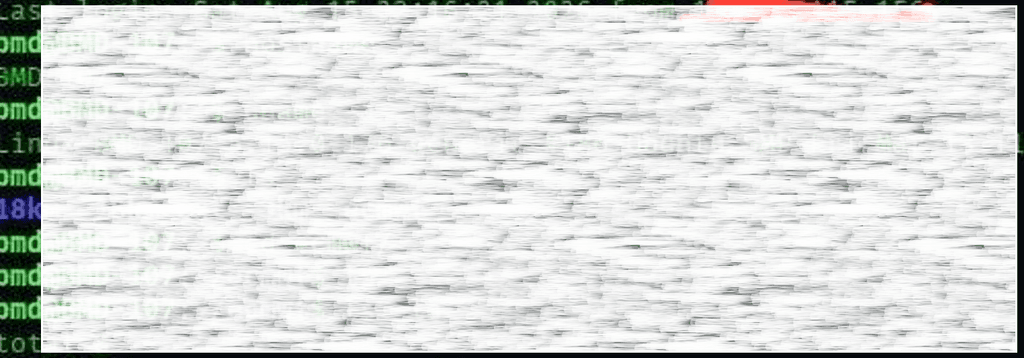
Figure 2 — Redacted evidence associated with reported public-service and server-level access.
Defacement and Data Exposure
The source material also documents public-facing defacement and exposure of records associated with an educational-sector system. Sensitive data and attacker branding have been obscured in the public evidence image.
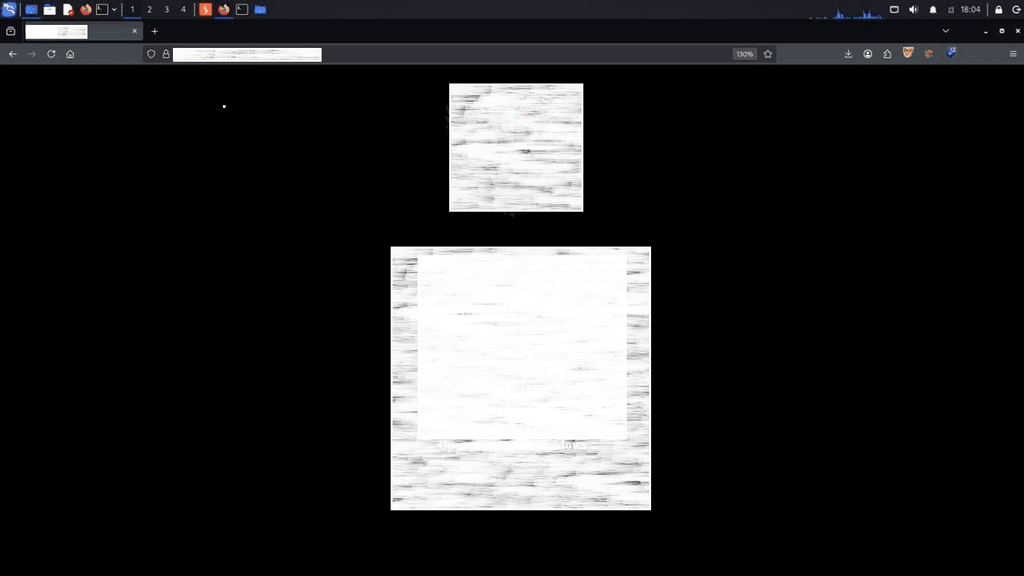
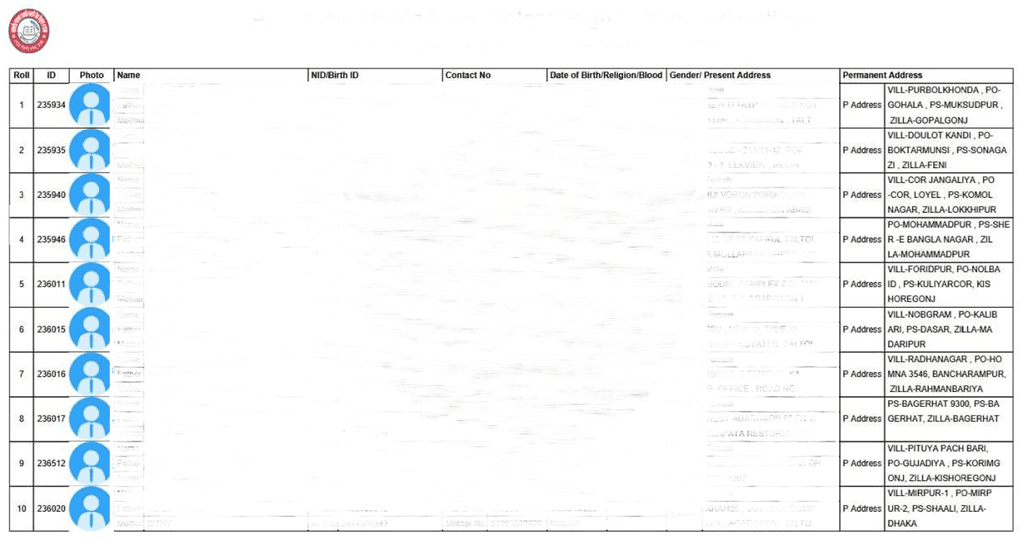
Figure 3 — Heavily redacted evidence of reported defacement and data exposure.
Media-Sector Incident
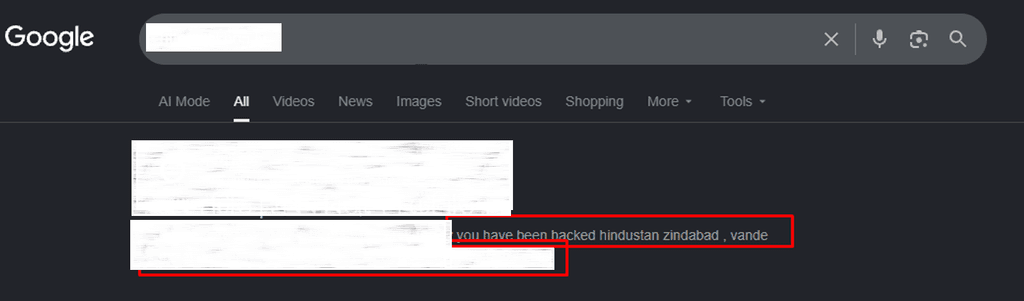
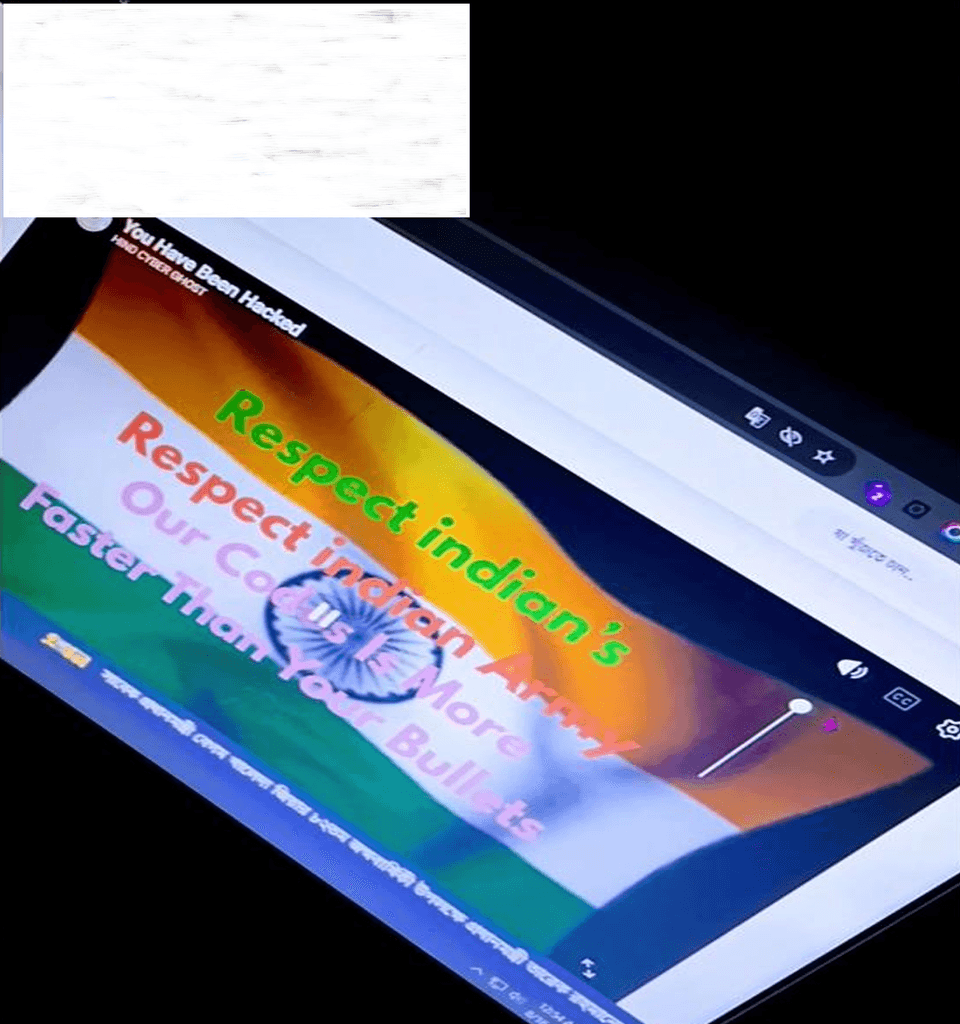
A media-sector website was also reportedly affected. Public-facing compromise can provide immediate visibility to attackers even when the underlying technical impact is limited. The identifying URL and promotional messaging have been obscured.
Observed Attack Pattern
The supplied evidence shows a combination of website defacement, exposed data, administrative access, CCTV access and server access. This indicates broader activity than a single defacement campaign, but the source does not provide sufficient forensic detail to confirm one common initial-access technique across all targets.
Known vulnerabilities, publicly available exploitation techniques, previously exposed credentials, credential reuse, stealer-log credentials and automated scanning/exploitation are plausible pathways for this type of activity. However, these should be treated as investigative hypotheses rather than confirmed causes unless validated through authentication logs, vulnerability evidence, malware artifacts or other forensic data.
Conclusion
The 15 August incidents demonstrate how coordinated cyber activity can affect multiple sectors simultaneously and create disproportionate public attention through defacement, data exposure and claimed system access.
BCSI’s current assessment is Medium Sophistication. The available evidence shows coordination and multiple forms of compromise, but does not establish zero-day exploitation, advanced custom malware or novel offensive capability. The primary defensive lesson is therefore not to overstate attacker capability, but to reduce the attack surface created by exposed services, known vulnerabilities, weak credential hygiene and insufficient monitoring.
Organizations should focus on continuous vulnerability management, credential exposure monitoring, strong privileged-access controls, network segmentation and rapid incident validation. BCSI will continue monitoring cyber threats affecting Bangladesh’s digital ecosystem.
Public Disclosure Note
Victim organization names have intentionally been replaced with organization types. URLs, credentials, personal information, direct leak references and attacker promotional branding have been redacted from the included screenshots. This report is intended for defensive cybersecurity awareness and does not endorse or amplify attacker branding or claims.